

Quick Answer
The web design trends that matter most for small business websites in 2026 are: dark mode support, microinteractions and subtle animation, AI-powered chat and personalization, minimalist design with bold typography, accessibility-first design, spatial and immersive elements, glassmorphism, data visualization, voice interface compatibility, and sustainability-conscious design. You don’t need to implement all ten — but ignoring them entirely while competitors adopt them is how sites start to look dated without anyone being able to say exactly why.
Web design moves fast, and the gap between a website that looks current and one that looks like it was built three years ago is now visible within seconds to most visitors. Staying aware of where design is heading doesn’t mean chasing every trend — it means understanding which ones are becoming user expectations (and therefore conversion factors) versus which ones are still optional creative choices.
Here are the ten that matter most for small business websites in 2026. As always, if you need a WordPress consultant to help implement any of these, we’re here.
1. Dark Mode Design
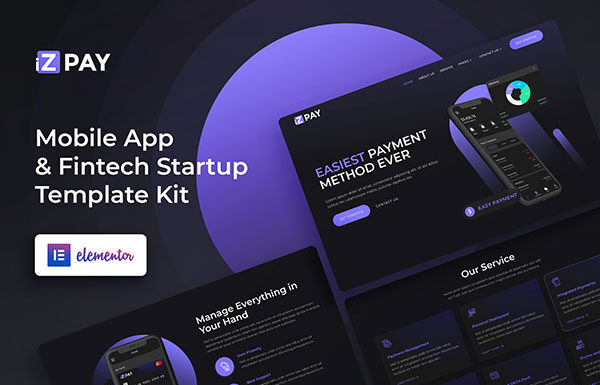
Dark mode has moved from a niche preference to a standard feature — most major operating systems and browsers now default to dark mode for a meaningful percentage of users, and those users notice immediately when a site doesn’t support it.
The benefits are practical: dark mode reduces eye strain for extended browsing, can extend battery life on OLED screens, and delivers a visually distinctive aesthetic that many users actively prefer. You don’t have to redesign your entire site in dark mode — adding a toggle that respects the user’s system preference (via CSS prefers-color-scheme) is often enough to cover most use cases. If you’re doing a full redesign, designing for both modes from the start is worth the extra investment.
2. Microinteractions and Subtle Animation
Microinteractions are small, purposeful design responses within broader motion design, and these micro interactions can be as simple as a button that changes color on hover, uses subtle hover effects, or adds micro animations to show feedback, a form field that highlights when focused, or a subtle animation when a section scrolls into view. They’re not decorative — they provide feedback, guide attention, and make a website feel polished and intentional rather than static. Done well, these cues can lower cognitive load by clarifying state changes and helping people process actions without overwhelming users.
Users increasingly expect some degree of movement and responsiveness from the sites they visit. A completely static page can feel dated compared to a site where elements respond naturally to interaction. Used lightly, scroll-triggered animations can also create more immersive layouts, and motion design enhances user engagement through storytelling while those cues guide users and improve interaction clarity.
Pro Tip: If you have to choose between animation and speed, choose speed — every time. Heavy animation that slows your load times hurts more than it helps. See our WordPress Speed Optimization service if you’re trying to find the right balance.

3. AI-Powered Experiences
If there’s one trend on this list that’s accelerated faster than almost anyone predicted, it’s this one. AI is now embedded in website experiences in multiple layers, and the design process is changing with it. For small businesses, it’s more accessible than ever, and 72% of web designers now use generative ai in their workflow support.
AI chatbots and assistants have become meaningfully smarter. Where 2022-era chatbots could answer basic FAQs, current AI-powered tools can handle complex product questions, qualify leads, book appointments, and escalate to a human when needed. Platforms like Intercom are leading this space with AI-native chat that works 24/7 without staff involvement.
AI-assisted personalization is the next layer — websites that adapt their content, CTAs, or product recommendations based on who’s visiting. AI can analyze real time data and user behavior to tailor product recommendations and personalize layouts for each visitor, creating adaptive website experiences instead of static ones. This is still more common at the enterprise level, but the tooling is filtering down to small business platforms. Done well, these adaptive experiences can boost engagement and conversions, including on landing pages.
For small businesses, the immediate opportunity is the AI chatbot: a visitor who has a quick question at 10pm that doesn’t want to fill out a form or wait until Monday gets an answer immediately. That interaction either converts them or doesn’t — but without the chatbot, you weren’t even in the conversation. More broadly, AI is also shaping digital experiences beyond chat by helping sites feel personal.
4. Minimalist Design with Bold Typography
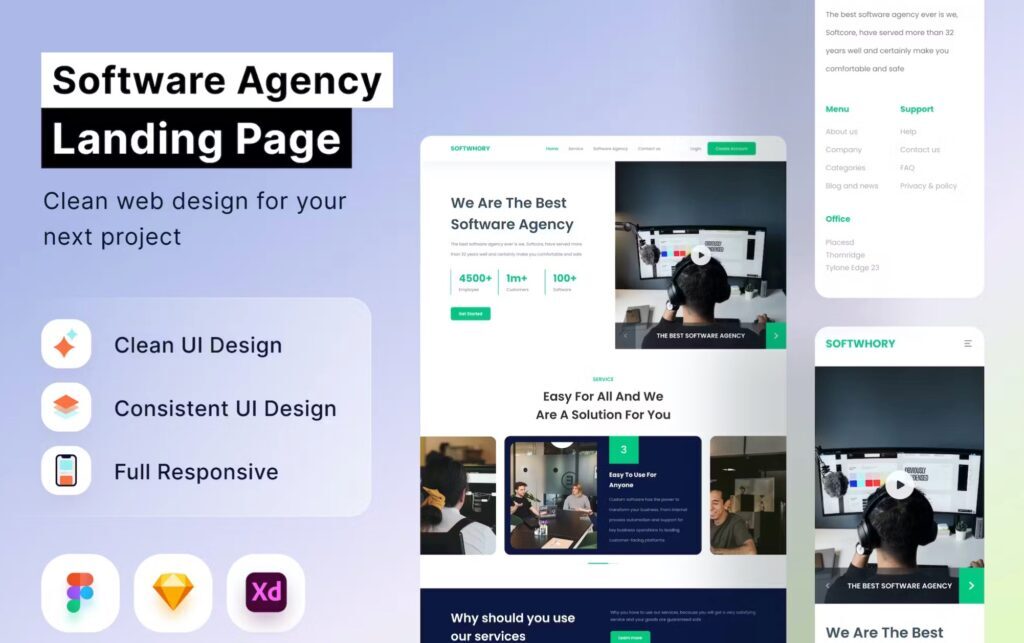
Minimalism has been a sustained trend for years, and it’s not going anywhere — for a simple reason: visitors decide within seconds whether your site is worth their time, and clean, uncluttered design communicates confidence and professionalism faster than anything else. In 2026, that means stripping away non-essential elements to cut visual noise and create structured layouts that feel modern.
The 2026 expression of this trend combines restrained layout with oversized, carefully selected typography. Big, bold headlines that state clearly what you do and who you serve, with strong typography, intentional white space, and open space creating a clear, confident page across screen sizes. The typography does the communicating — everything else gets out of the way. More than ever, it carries the brand identity and emotional tone, with subtle font choices shaping the visual identity and signaling anything from luxury to casualness.
This connects directly to the messaging principle: your homepage headline should answer “what does my customer’s life look like after working with me?” — and that answer needs to be the most visually prominent thing on the page. Large, bold, and impossible to miss, because oversized headlines create a stronger first impression, and wide lettering with generous spacing helps the message feel approachable.
5. Accessibility-First Design
Accessibility is no longer an optional consideration — it’s a design standard, a legal expectation in many jurisdictions, and increasingly a search ranking factor. WCAG 2.1 AA compliance (the current benchmark) covers the basics: sufficient color contrast, keyboard-navigable interfaces, alt text on images, properly labeled form fields, and readable font sizes.
The business case is straightforward: accessible design serves a larger audience, tends to overlap heavily with the technical quality signals search engines reward, and reduces legal exposure from accessibility complaints. It’s also significantly easier to build in from the start than to retrofit after launch.
Our WordPress Web Design process builds accessibility in from the start — not as a checklist item at the end.
6. Spatial and Immersive Elements
With Apple Vision Pro launching in 2024 and spatial computing entering the mainstream conversation, web design has started anticipating a future where users interact with web content in three dimensions. Most small business websites aren’t building for headsets today — but the design thinking is already influencing the web.
In practice for 2026, this shows up in subtle 3D elements, depth effects, parallax scrolling done well, interactive 3D features powered by WebGL, and scroll-triggered animations that add depth in digital spaces. For e-commerce businesses, AR product visualization — letting customers see how furniture looks in their room, or how a piece of clothing fits a specific body type — has become a real differentiator for brands that use it, and Nike is a good example with virtual product trials.
Most small businesses don’t need to invest in full AR today, but staying aware of where interaction design is heading helps inform decisions now, especially when those digital elements support usability rather than distract from it and increase immersion and engagement.
7. Glassmorphism
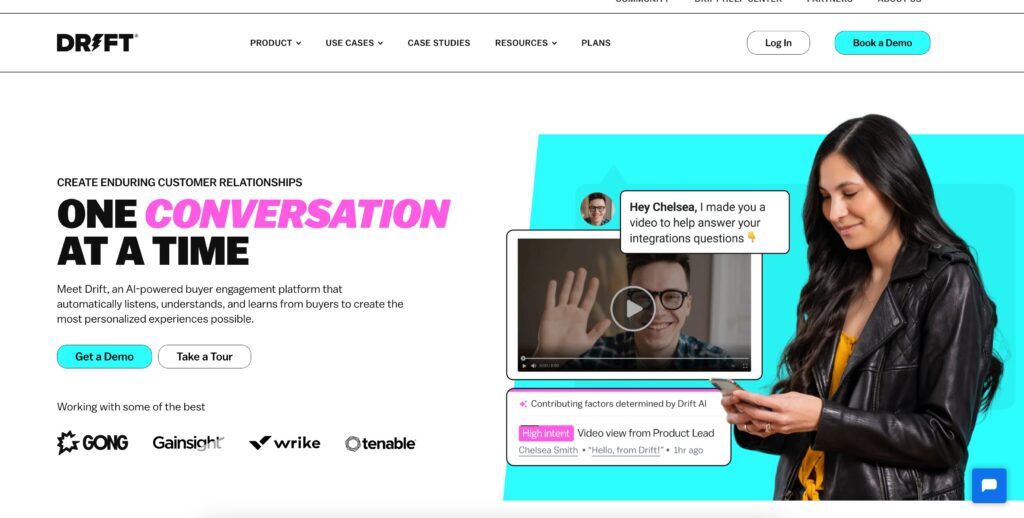
Glassmorphism — the frosted glass aesthetic, where UI elements appear translucent with a soft blur and subtle border — has emerged as the refined evolution of earlier depth-focused design trends. You’ll recognize it in iOS interfaces and macOS system elements; it’s now filtering into web design more broadly. Its tactile depth comes from soft shadows and subtle gradients.
Used well, glassmorphism creates a sense of depth and layering that feels modern without being heavy. Used poorly, it becomes muddy and hard to read. The key is strong contrast: text and interactive elements on glass-style backgrounds must still meet accessibility contrast standards to keep frosted interfaces usable and make sites easier to navigate. When in doubt, test it.
Like neumorphism before it, this trend rewards restraint — strategic use on key UI elements works; covering an entire site in frosted glass usually doesn’t. With restraint, these effects can make interfaces feel intuitive and more connected to the physical world.
8. Data Visualization
As visitors’ time on any given page gets shorter, your ability to communicate complex ideas quickly becomes a competitive advantage. A well-designed chart, infographic, or visual comparison communicates in seconds what three paragraphs can’t quite land.
This is increasingly relevant for service businesses. Instead of explaining your process in a numbered list, show it in a visual timeline. Instead of describing your results in copy, present them as a before-and-after visualization. The investment in custom graphics pays off when you use vector illustrations to create visuals with more visual interest that stay on brand, and incorporating brand colors into those assets further strengthens the site’s visual identity.
9. Voice Interface Compatibility
Voice search and voice assistant usage continues to grow as smart speakers, in-car systems, and phone assistants become habitual. Designing for voice compatibility means two things: technical accessibility (your site’s structure should be navigable and readable by assistants), and content optimization (voice queries are conversational and question-based, so FAQ content and direct-answer blocks perform better in voice results).
The FAQ section at the bottom of this post and the Quick Answer block at the top are both examples of this — they’re structured specifically to be easy for AI and voice assistants to parse and surface.
10. Sustainability and Eco-Design
Environmental awareness is influencing purchasing decisions, and website choices are part of that picture. A sustainable website uses leaner code, optimized images, and low-impact hosting to reduce energy consumption and lower a site’s carbon footprint, and some hosting providers now offer carbon-neutral or renewable-energy-powered plans.
Accessibility features are also becoming standard here, since they overlap with sustainable web design by creating lower-friction, more efficient digital design.
This is also an opportunity for brand storytelling. If your business has sustainability values, your website can reflect them through thoughtful choices that avoid dark patterns, so performance gains do not come at the expense of trust or usability. Dark mode, efficient loading, and deliberate visual minimalism can support a stronger digital presence while still leaving room for a human touch.
Frequently Asked Questions
What are the top web design trends in 2026? The ten most relevant for small business websites are: dark mode design, microinteractions and subtle animation, AI-powered chat and personalization, minimalist design with bold typography, accessibility-first design, spatial and immersive elements, glassmorphism, data visualization, voice interface compatibility, and sustainability-conscious design. Other design trends for 2026 include bright colors and more experimental layouts and navigation patterns.
What web design trends are most important for small businesses? The highest-impact ones for small businesses specifically are AI-powered chatbots (lead capture 24/7), minimalist design with bold typography (communicates value fast), mobile-first and accessibility-first design (serves the broadest audience), and strong CTAs throughout — which isn’t a design “trend” so much as a permanent best practice. The aesthetic trends matter less than the functional ones. Some of year’s trends also move beyond standard navigation paths, using nonlinear journeys carefully so users can explore without confusion. That can include experimental navigation such as radial menus or hidden drawers, but it should be prototyped in tools like Figma Make before launch.
Is dark mode worth adding to a small business website? Yes, for most businesses. A meaningful percentage of users browse in dark mode by system preference, and CSS media queries make it possible to respect that preference without a full redesign. If you’re doing a new build or redesign, designing for both light and dark from the start is the cleanest approach.
What is glassmorphism in web design? Glassmorphism is a design style that gives UI elements a frosted-glass appearance — translucent, with a soft blur effect and subtle border. It creates a sense of depth and layering that looks modern and clean when used selectively. It’s the design direction that succeeded neumorphism as a trend.
How often should a small business update their website design? We recommend planning for a redesign no later than every 30 months. Design standards and user expectations shift meaningfully over that timeframe, and a site that looked current in 2023 can read as dated by 2025. Staying current with design trends 2026 is part of how your website maintains its first-impression value.
Do I need to implement all of these web design trends? No — and trying to implement all of them at once is a reliable path to an overwhelming, inconsistent site. Pick one or two that align with your business goals and audience, do those well, and layer in others over time. A vivid color palette with neon pinks and electric blues can build emotional connection through optimism, and high-contrast pairings are especially common for lifestyle and beauty brands. Bold gradients and neon gradients also reflect the shift toward bright, saturated palettes replacing muted tones in many of the web design trends in 2026. The most important action is consistent progress, not comprehensive implementation.
Conclusion
Web design trends are about more than aesthetics — they’re signals about how users are changing, what they expect from digital experiences, and where competitive advantages are shifting. You don’t need to implement every trend on this list, but awareness of where things are heading informs better decisions now.
If any of these trends have you thinking it’s time for a refresh, our small business website redesign overview is a good place to start. Or book a free consult and we’ll look at your site together and tell you exactly where the best opportunities are.
